From intention to production: Boboli’s step into circular children’s wear
Making fashion circular requires acting across the entire value chain, from raw material to finished garment. The transition towards a more sustainable textile industry happens through coordinated action. It requires brands to move beyond the garment itself and engage with what lies behind it: materials, processes and industrial partners.
This is what makes initiatives like the one developed by Boboli especially relevant.
A reference brand in children’s wear
Boboli is a well-established Spanish brand specialised in children’s fashion, known for its focus on quality, durability and comfort. In a category where product performance and safety are essential, the integration of circular materials represents both a challenge and an opportunity.
Children’s garments require resistance, softness and stability. Introducing recycled fibres into this segment is not only a question of sustainability, it is a question of industrial capability.
From recycled yarn to finished garment
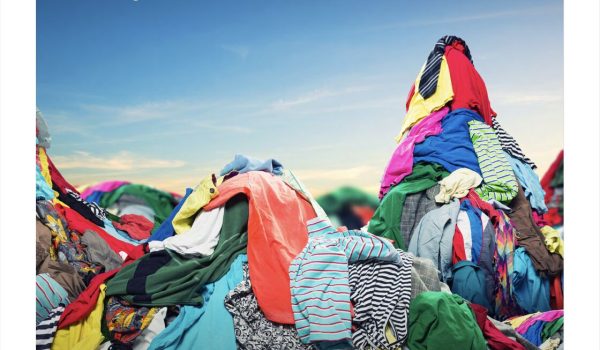
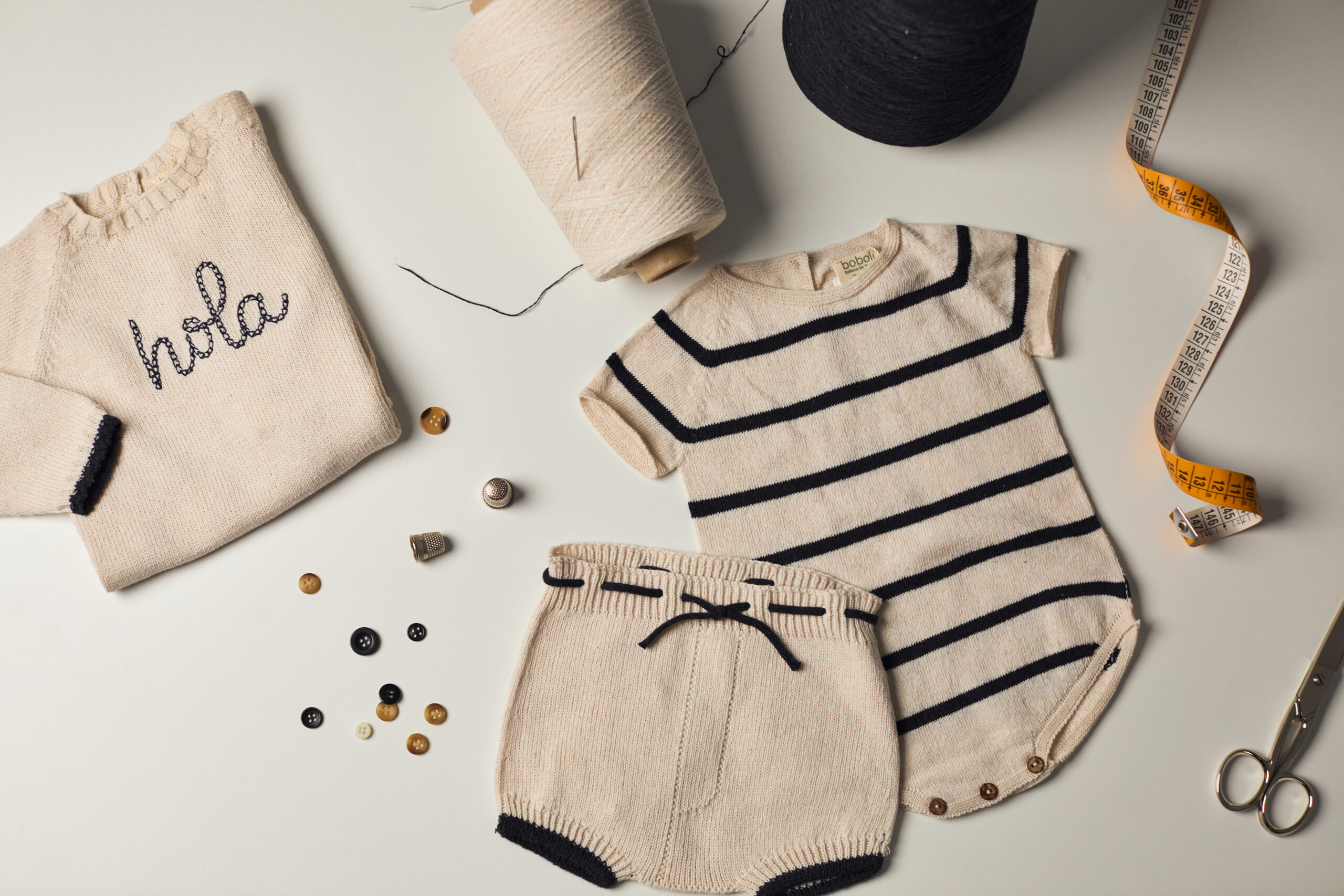
The collection developed by Boboli incorporates garments made from recycled yarns, produced from post-consumer textile waste. This approach enables the transformation of used garments into new textile products, closing the loop within the textile industry.
Unlike open-loop solutions — where materials from other industries are downcycled into textiles — textile-to-textile recycling focuses on maintaining the value of textile fibres within the same ecosystem.
This requires:
- precise sorting of textile waste by composition and colour
- fibre recovery processes adapted to post-consumer inputs
- spinning capabilities able to manage variability in recycled fibres
- fabric development aligned with performance requirements
- garment manufacturing adapted to these materials
The result is a product that integrates circularity at a material level, while maintaining the functional standards required in children’s wear.
Circularity requires involvement
One of the key learnings from projects like this is that circularity cannot be achieved through a single decision. It requires involvement across the entire value chain.
In a traditional linear model, brands often operate with limited visibility beyond their immediate suppliers. Circularity challenges this approach. It requires asking new questions:
- Where do the fibres come from?
- How are materials prepared?
- What happens to the product at the end of its life?
Moving towards circularity means engaging with these questions and working collaboratively with partners to build viable solutions.
Starting by doing
There is no perfect starting point for circularity.
Progress happens through action, by developing products, testing materials and adapting industrial processes. Each collection, each product, contributes to building the capabilities required to scale.
The collaboration with Boboli is an example of this approach: taking a concrete step, translating circular principles into real garments, and learning through production.
A step forward for the sector
For Coleo, it is especially meaningful to collaborate with a reference brand in the children’s segment that is willing to engage with circular materials and processes.
Projects like this demonstrate that textile-to-textile recycling is not a distant ambition, but an emerging industrial reality.
The transition is already underway.
Check the products here: https://www.boboli.es/es/2667-ropa-bebe-nina-hilo-reciclado